

A Market Losing Momentum, Not Its Foundations
The Sydney property market has now firmly transitioned into the early stages of a cyclical slowdown, following a period of sustained growth through 2025. According to the latest Cotality Home Value Index (data to 31 March 2026), Sydney dwelling values declined -0.1% over the month and -0.2% over the quarter, marking a subtle but consistent softening trend since late 2025. Despite this, values remain +4.8% higher over the past 12 months, with a median dwelling price of $1,295,387 highlighting that this is not a correction, but a recalibration phase.
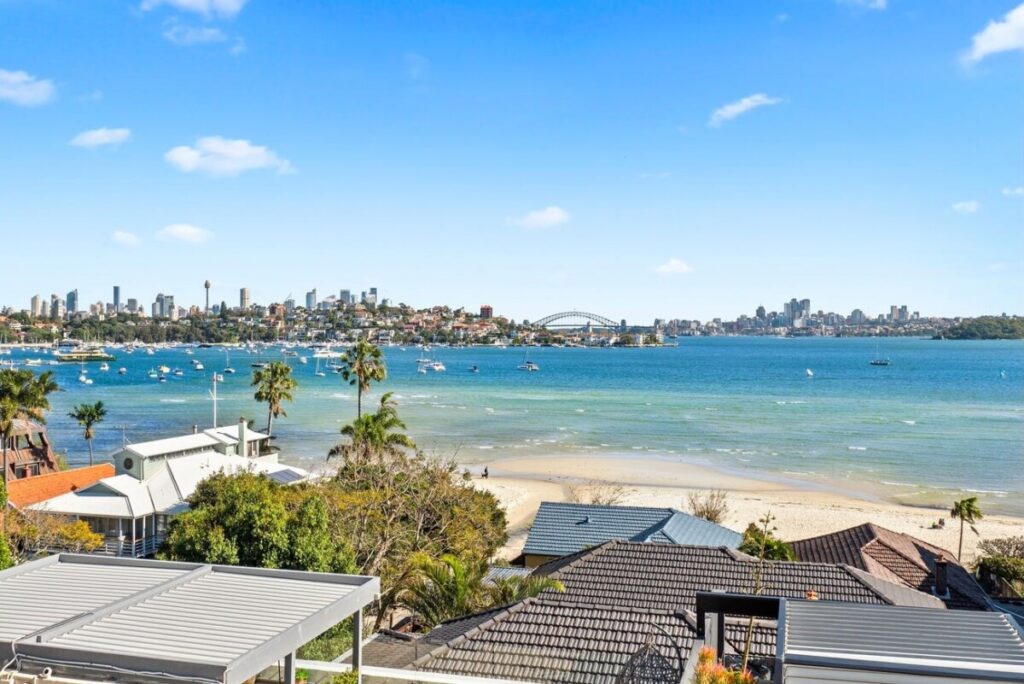
Sydney: Early Downturn Signals Emerging
The data confirms what we are seeing on the ground: Sydney is no longer leading the national market.
- Monthly change: -0.1%
- Quarterly change: -0.2%
- From Peak (Nov 2025): -0.4%
- Annual growth: +4.8%
This marks a clear turning point. As noted in the report, Sydney is now “navigating a subtle decline trend that has been evident since December last year”. The drivers are not speculative – they are structural:
- Borrowing capacity has tightened materially.
- Auction clearance rates have softened.
- Advertised supply is increasing.
- Buyer urgency has diminished.
This is not a demand collapse; it is a rebalancing of power back towards buyers.
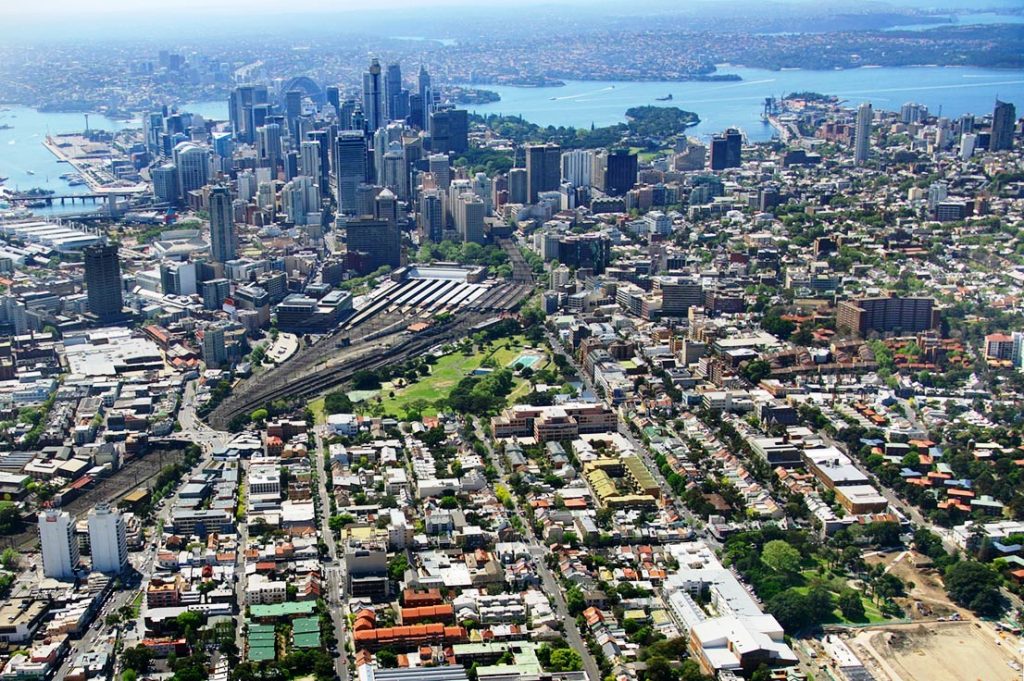
A Two-Speed Market: Affordability is Driving Demand
One of the most important insights from this report is the clear divergence across price points.
- Upper quartile values in Sydney fell by -1.8% over the quarter.
- Lower quartile values rose +1.8% over the same period.
This is critical. Demand is not disappearing; it is shifting down the price curve. In practical terms:
- First home buyers and investors are competing aggressively at the lower end.
- Premium markets are seeing reduced depth and longer selling timeframes.
- Buyers are increasingly constrained by serviceability rather than desire.
At Rose & Jones, this is where strategy matters most, identifying where demand is concentrating, not where it
has been.
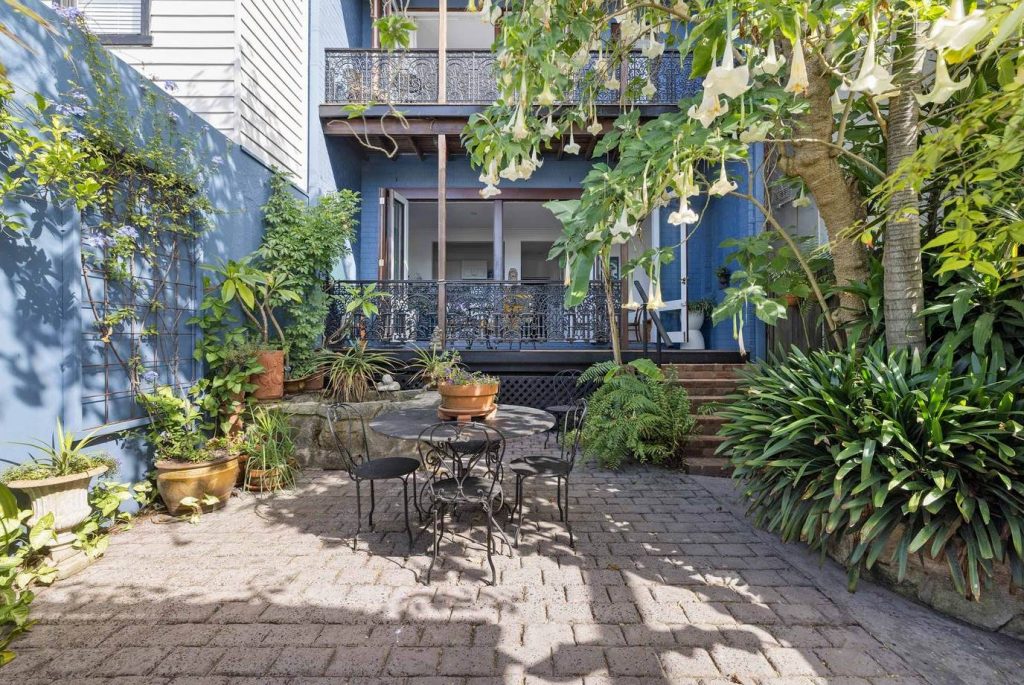
Houses vs Units: A Changing Dynamic
The segmentation extends across asset classes:
Sydney Houses
- Quarterly change: -0.6%
- Annual growth: +5.3%.
- Median value: $1,601,782
Sydney Units
- Quarterly change: +0.8%
- Annual growth: +3.5%
- Median value: $911,743
Units are quietly outperforming in the current cycle, not because they are superior assets, but because they remain accessible. As borrowing constraints intensify, units are increasingly becoming the entry point into Sydney’s market,
particularly for younger buyers and investors.
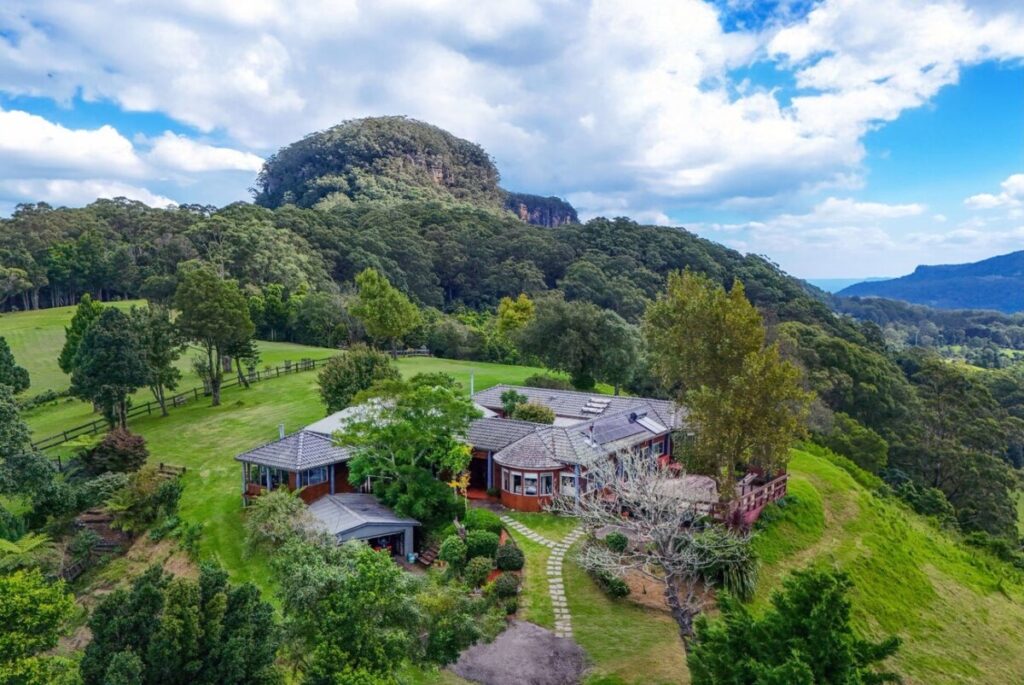
Regional NSW: Resilient and Still Growing
While Sydney softens, Regional NSW continues to show strength:
- Monthly growth: +0.8%
- Quarterly growth: +2.4%
- Annual growth: +8.9%
Standout regional performers include:
- Armidale: +19.8%
- Dubbo: +18.2%
- Wagga Wagga: +16.9%
The regional story remains intact, driven by affordability, lifestyle migration and relative value. However, even here, momentum is beginning to normalise.
Supply, Sentiment and the Shift in Market Power
Perhaps the most important shift is not in prices but in market dynamics.
The report highlights:
- Advertised stock levels are rising, particularly in Sydney.
- Sales volumes are down -1.9% year-on-year.
- Buyer confidence is weakening amid cost-of-living pressures.
This combination is powerful. For the first time in over 18 months:
- Buyers have more choices.
- Negotiation leverage is improving.
- Vendors must meet the market.
This is a transition from a scarcity-driven market to a selection-driven market.
Rental Market: Tight but Tapped Out
Sydney’s rental market remains structurally tight, but affordability is stretched.
- Vacancy rate: 1.7% (highest of capitals, but still extremely low).
- Gross rental yield: 3.08%.
Rental growth is accelerating nationally, but in Sydney, yields remain compressed due to high asset values. This reinforces a key point: Sydney is not a yield play; it is a capital preservation and long-term growth market.
Macro Forces: The Real Story Behind the Numbers
The slowdown is being driven by a convergence of macro factors:
- Mortgage serviceability is effectively assessed at ~9% rates.
- Real incomes are declining as wage growth lags inflation.
- Rising energy and living costs.
- Weakening consumer confidence.
- Normalising population growth.
At the same time:
- Employment remains strong.
- Supply is still constrained.
- Forced selling risk remains low.
This creates a market that is softening but fundamentally supported.
Outlook: A Market of Precision, Not Momentum
The outlook for Sydney and NSW is clear:
- Broad-based growth is unlikely in the near term.
- Performance will be uneven and highly localised.
- Affordable segments will outperform.
- Premium markets will remain under pressure.
Cotality summarises it best: “The near-term balance of risks is tilted to the downside… however, tight supply and labour market resilience should provide a floor.”
Final Word
Sydney is not entering a downturn; it is entering a discipline phase. The easy gains have been made.
The next phase will reward:
- Precision over optimism.
- Strategy over speculation.
- Local knowledge over macro headlines.
At Rose & Jones, this is where we thrive in identifying opportunities within complexity, not avoiding it. If you’re considering your next move, now is the time to engage. Get in touch today and let our expert team help you take the next step toward securing your ideal property with confidence.
Byron Rose
Director, Rose & Jones
www.roseandjones.com.au
