
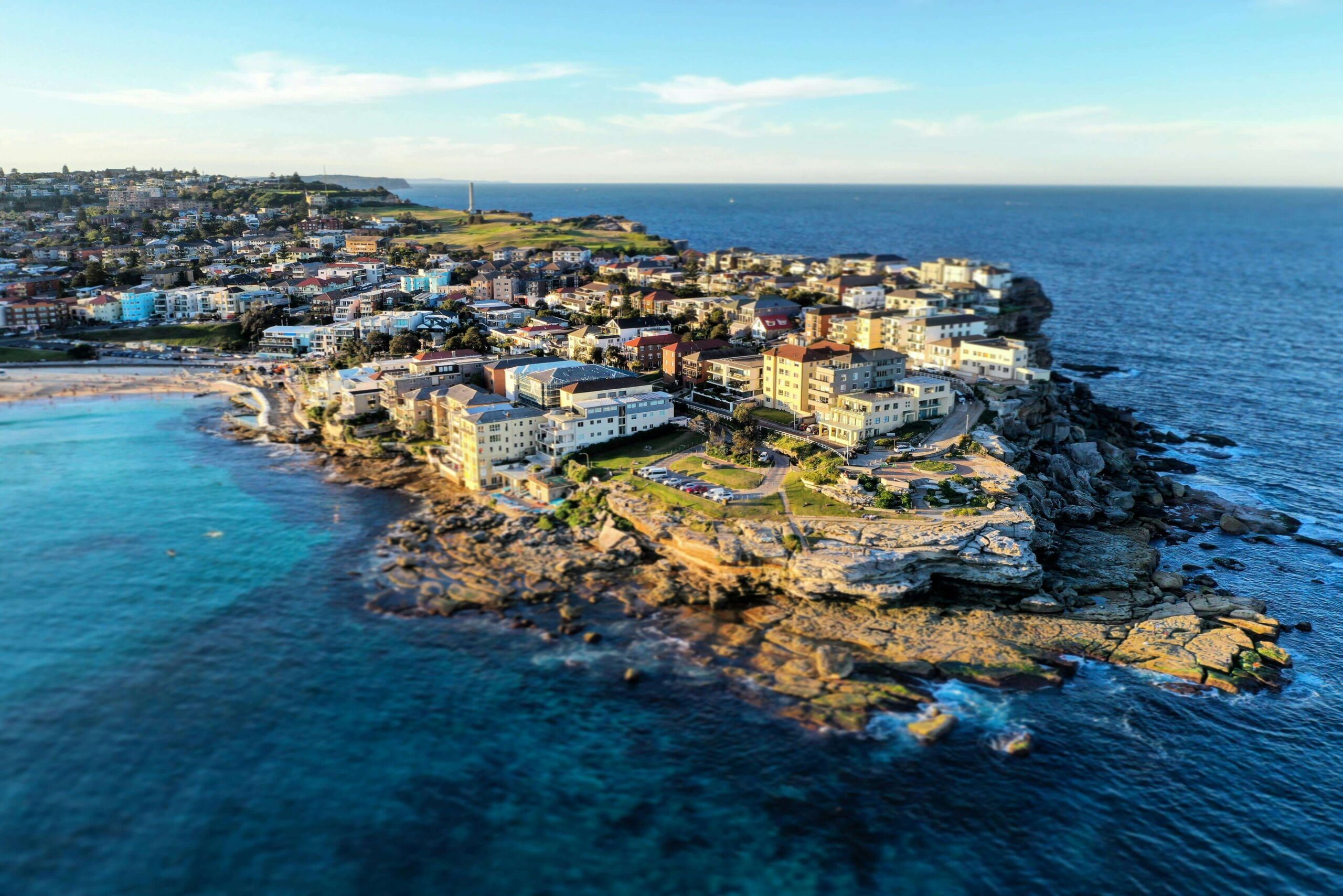
A Market in Transition: Stability at the Top, Competition at the Entry Level
Two months into 2026, the Sydney property market has clearly entered a more measured phase of the cycle. After several months of recovery momentum through late 2025, values stabilised in February, reflecting the cumulative impact of higher interest rates, affordability constraints and softer consumer sentiment. According to the latest Cotality Home Value Index (HVI), Sydney dwelling values were flat in February (0.0%), with values down -0.1% over the rolling quarter and up 6.0% over the past 12 months.
The median dwelling value across Greater Sydney now sits at $1,296,039, reinforcing Sydney’s position as Australia’s most expensive capital and a market where micro-dynamics matter more than headline trends.
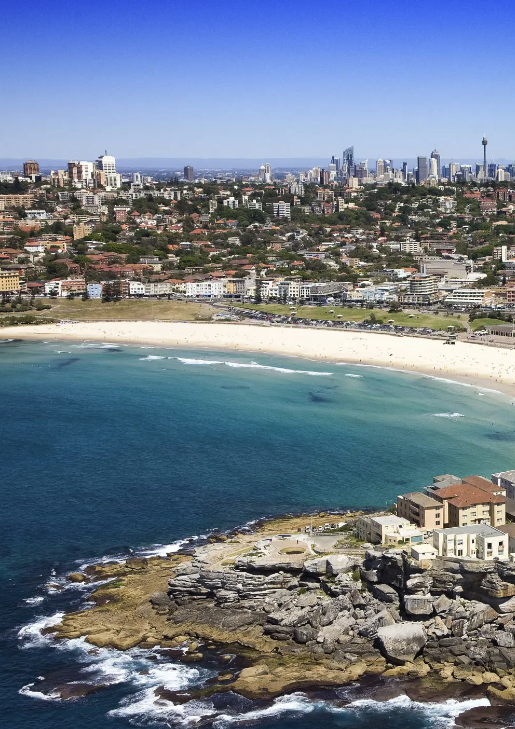
Sydney: Flat Headline, Segmented Reality
While the monthly result appears subdued, the underlying data reveals a more nuanced picture. The February rate hike and renewed pressure on borrowing capacity have disproportionately affected higher price points. As noted in the report, lower quartile house values in Sydney rose +0.8% over the month, while upper quartile house values declined -0.9%.
This divergence confirms what we are seeing on the ground:
- Strong competition at entry and midprice levels.
- More cautious, selective behaviour across premium and upper quartile stock.
- Longer negotiation periods at the very top of the market.
Importantly, Sydney values remain only -0.1% below their November 2025 peak, suggesting this is a plateau rather than the beginning of a broad-based downturn.

Houses vs Units: Diverging Momentum
Breaking the data down further:
- Sydney house values are up 6.8% annually, with a median of $1,607,046.
- Sydney unit values are up 3.9% annually, with a median of $903,080.
Interestingly, units recorded a +0.5% monthly increase in February, outperforming houses (which were down -0.2% month-on-month). This reflects improving relative affordability in the apartment market and sustained rental demand, particularly in lifestyle and harbour-adjacent precincts. For investors and downsizers, selective unit stock remains compelling where scarcity and quality align.

Regional NSW: Outperforming the Capital
Regional New South Wales continues to show relative strength:
- Regional NSW values rose +0.9% in February.
- Up 8.4% over the past 12 months.
Top-performing regional centres include:
- Tamworth–Gunnedah (+17.7%)
- Armidale (+17.6%)
- Wagga Wagga (+16.9%)
Lower price points, internal migration trends and relative affordability continue to underpin demand outside metropolitan Sydney.
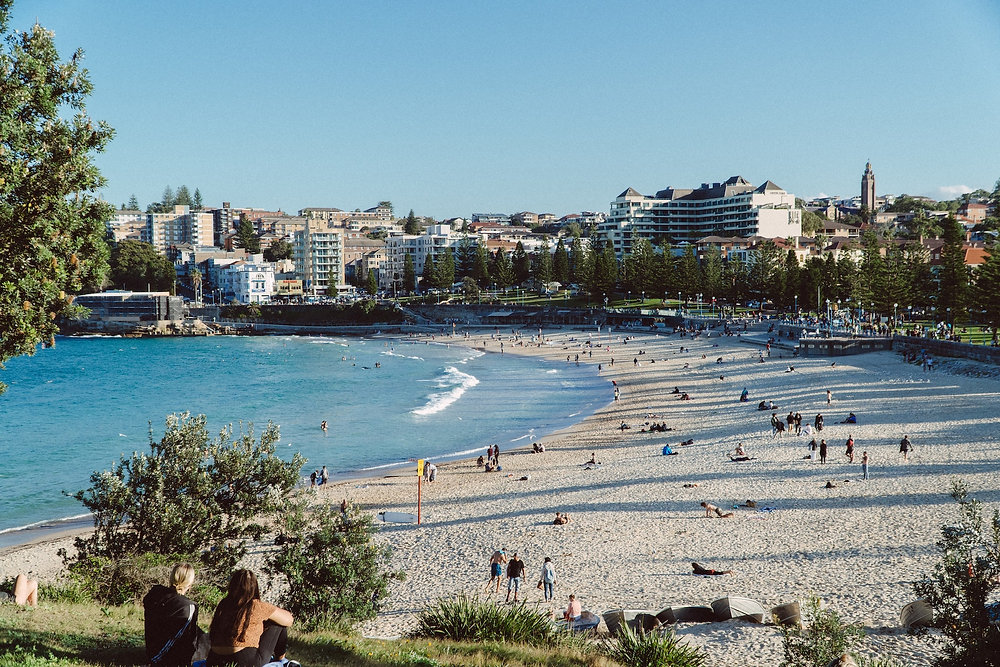
Supply Dynamics: A Subtle Shift
While Sydney is not experiencing the acute undersupply seen in Perth or Brisbane, inventory remains historically tight.
Advertised stock in Sydney is only 1.0% below the five-year average, but the report notes a 9.7% lift in new listings through February, above the five-year norm. This is significant. Vendors appear more motivated, potentially anticipating softer selling conditions as clearance rates ease. If seasonal patterns hold, listings may continue to rise into the autumn period.
An increase in stock, even from historically low levels, will likely reinforce the segmentation already evident in the data.
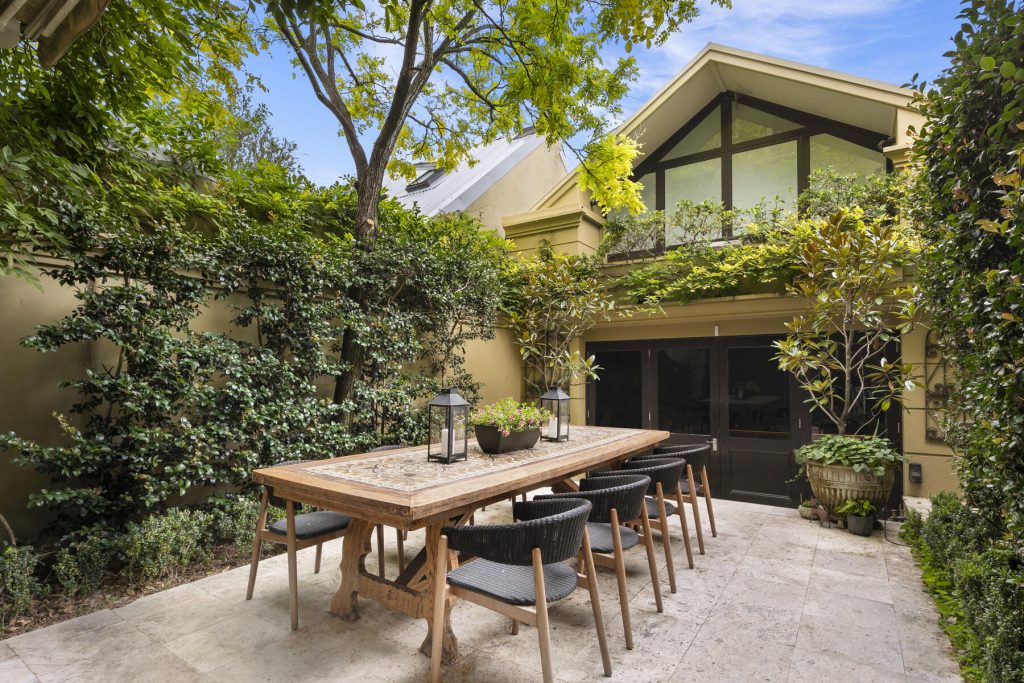
Rental Market & Yields
Sydney’s gross rental yield remains tight at 3.0% across dwellings.
While national rents are accelerating again, yields in Sydney remain compressed relative to other capitals, reflecting strong capital values. Investors entering the Sydney market today are predominantly focused on capital preservation and long-term growth rather than short-term cash flow.
The Broader Economic Backdrop
The March HVI highlights several demand-side headwinds:
- Serviceability constraints amid higher rates.
- Real wage growth in negative territory once adjusted for inflation.
- APRA’s 20% cap on high debt-to-income lending.
- Softer consumer sentiment.
However, there are also stabilising forces:
- Persistently constrained supply.
- Strong labour market conditions.
- Continued first-home buyer support via the 5% deposit guarantee.
Taken together, the market appears finely balanced – not fragile, but increasingly selective.
Outlook: Slower, More Uneven Growth
Sydney is no longer leading the national cycle. Perth, Brisbane and Adelaide are now carrying the momentum.
However, Sydney remains structurally supported by:
- Deep domestic wealth pools.
- Global capital exposure.
- Constrained land supply.
- Enduring lifestyle and employment fundamentals.
For buyers, this environment rewards:
- Precision over urgency.
- Micro-market analysis over macro headlines.
- Strategic negotiation in segments where demand depth is thinning.
The most probable path forward is not a sharp correction, but modest and uneven growth, concentrated at affordable price points and high-quality, scarce assets. For sellers, pricing discipline and presentation will become increasingly critical.
Final Word
Sydney’s market is not weakening; it is normalising. After a period of acceleration, the data now points to stabilisation and segmentation. The next phase of the cycle will favour informed, strategic participants rather than speculative momentum.
At Rose & Jones, we remain focused on identifying mispriced opportunities, leveraging off-market access, and guiding our clients through what is increasingly a market defined by nuance rather than noise. Get in touch today and let our expert team help you secure your next property with confidence.
Byron Rose
Director, Rose & Jones
www.roseandjones.com.au
