


Sydney’s Correction is Creating One of the Strongest Buyer Windows in Years
By Byron Rose, Director, Rose & Jones
Sydney has entered spring with a very different property market to the one buyers were navigating only a year ago. The latest Cotality Home Value Index shows Sydney dwelling values fell 1.4% in August, taking the quarterly decline to 4.7%, with values now 4.6% lower over the past 12 months. The city’s median dwelling value now stands at $1,222,718. More significantly, Sydney values are now 7.1% below their February 2026 peak.
For buyers, those numbers matter. But what matters even more is what is happening underneath them. This is no longer simply a market in which prices are falling. The balance of negotiating power has shifted.
Buyers Regain the Upper Hand
The slowdown has become remarkably broad. Across Australia’s capital cities, 93% of suburbs recorded a decline in values through winter, compared with just 45.8% through autumn. Sydney is leading that downturn, with its current decline from peak already exceeding the comparable stage of the city’s 2022–23 correction. At the same time, transaction volumes have weakened substantially. Cotality estimates national sales activity is 15.5% lower than a year ago and 11.5% below the five-year average, with Sydney among the markets where sales volumes have fallen by more than 20% year-on-year.
The result is a market characterised by longer selling periods, accumulating stock, greater vendor discounting and auction clearance rates below 50%. Across the capitals, advertised listings were 24% higher than a year earlier and 8% above the five-year average at the end of August—even though the number of new properties coming onto the market had actually declined. Cotality describes the environment explicitly as a “buyer’s market”. For us, this is one of the most important changes in the Sydney market. Buyers can increasingly negotiate rather than compete.
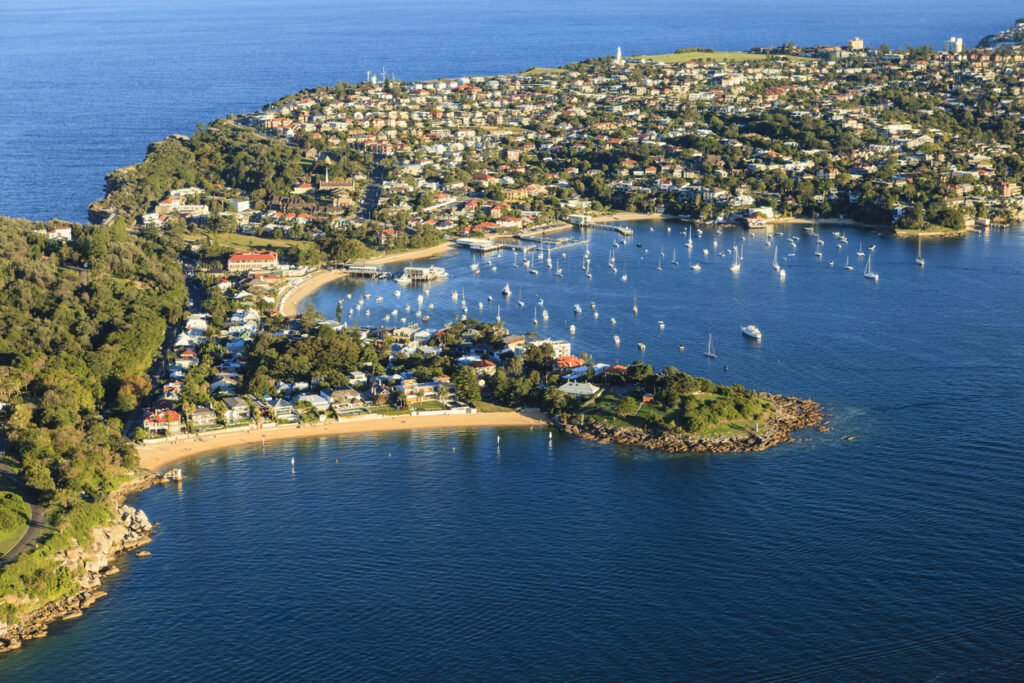
Sydney’s Correction Hits Houses Hardest
There is also a significant divergence emerging between property types. Sydney house values fell 1.8% in August and 5.4% over the quarter, compared with declines of only 0.4% and 2.9% respectively for units. Over 12 months, Sydney houses are down 5.5%, while units have fallen a more modest 2.3%.
The median Sydney house is now valued at approximately $1.495 million, compared with $878,176 for units. For buyers targeting established houses in premium and tightly held Sydney suburbs, this creates an interesting environment. Higher borrowing costs and serviceability constraints continue to place disproportionate pressure on the more expensive end of the market. Quality property hasn’t suddenly become abundant, but there are fewer buyers capable or willing to compete aggressively for it. That distinction is important. A softer market doesn’t make every property a good buy. It makes good properties potentially easier to buy well.
Sydney Isn’t One Market
The headline Sydney decline also conceals significant geographic differences. The strongest Greater Sydney SA3 markets over the past year have generally been concentrated in the city’s more affordable outer regions. Wyong and Wollondilly both recorded 4.3% annual growth, followed by Richmond–Windsor at 4.1%, Camden and Penrith at 3.8%, and the Blue Mountains and Campbelltown at 2.1%.
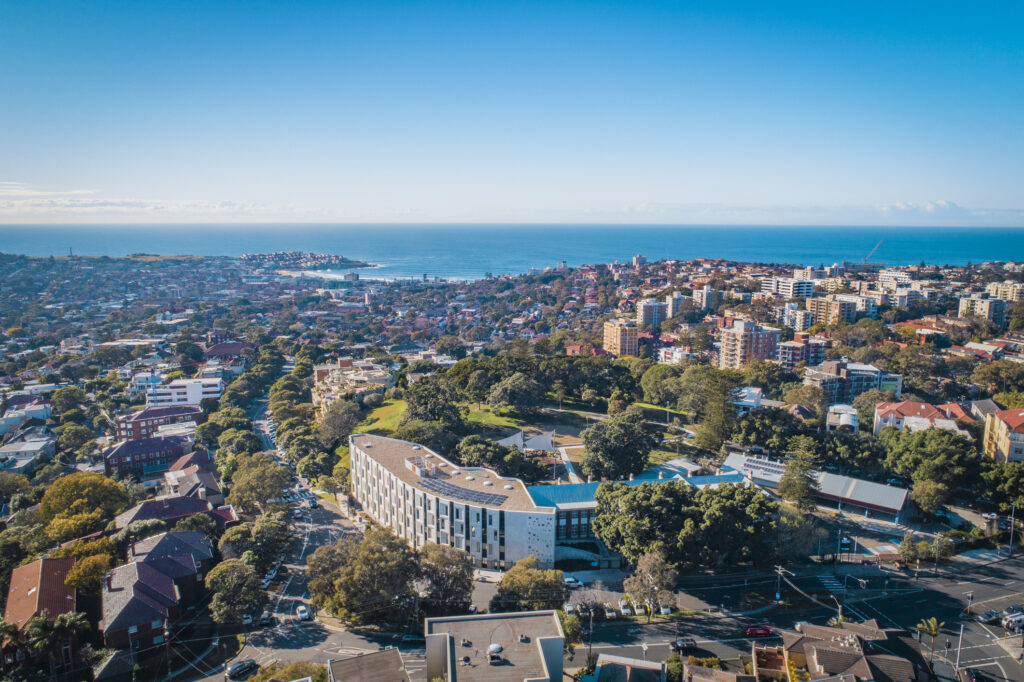
This reinforces a broader theme in the data: affordability is increasingly influencing where demand can survive. For buyers, suburb and asset selection therefore becomes considerably more important than simply trying to “buy Sydney”.
Regional NSW Tells A Different Story
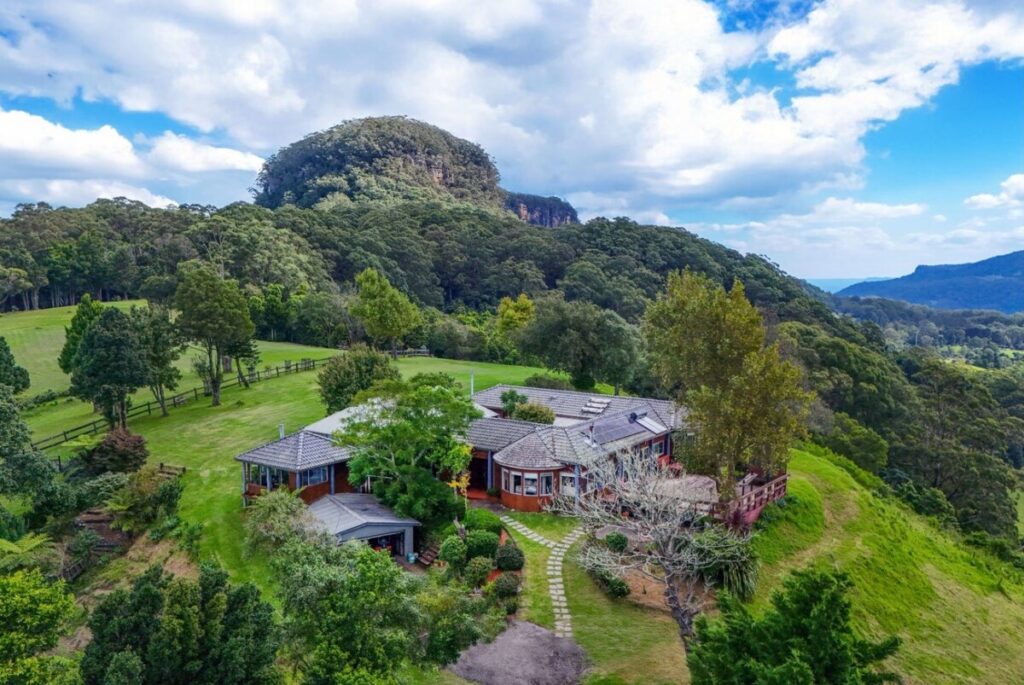
Outside Sydney, NSW has demonstrated considerably greater resilience. Regional NSW dwelling values remain 5.3% higher over the year and have delivered a 9.6% total return, despite values declining 1.6% through the latest quarter. Its median dwelling value is approximately $830,938, with a gross rental yield of 4.1%.
Several individual markets have performed considerably better. Armidale leads regional NSW with annual growth of 18.6%, followed by Dubbo at 16.3%, Wagga Wagga at 16.0% and Inverell–Tenterfield at 15.1%. Closer to the coast, the Lower Hunter has recorded 11.2% annual growth, with a median dwelling value of approximately $784,250. The contrast with Sydney is striking. It demonstrates why we increasingly view property through the lens of individual markets and individual assets rather than broad state averages.
Rental Growth Shows No Signs of Slowing
Sydney’s rental market has loosened slightly, with the vacancy rate reaching 2.2%, the highest of Australia’s mainland capitals. But that figure remains low by historical standards; the national pre-COVID decade average was 3.3%. Sydney rents are also continuing to rise. House rents increased 5.3% over the year, while unit rents increased 3.9%.
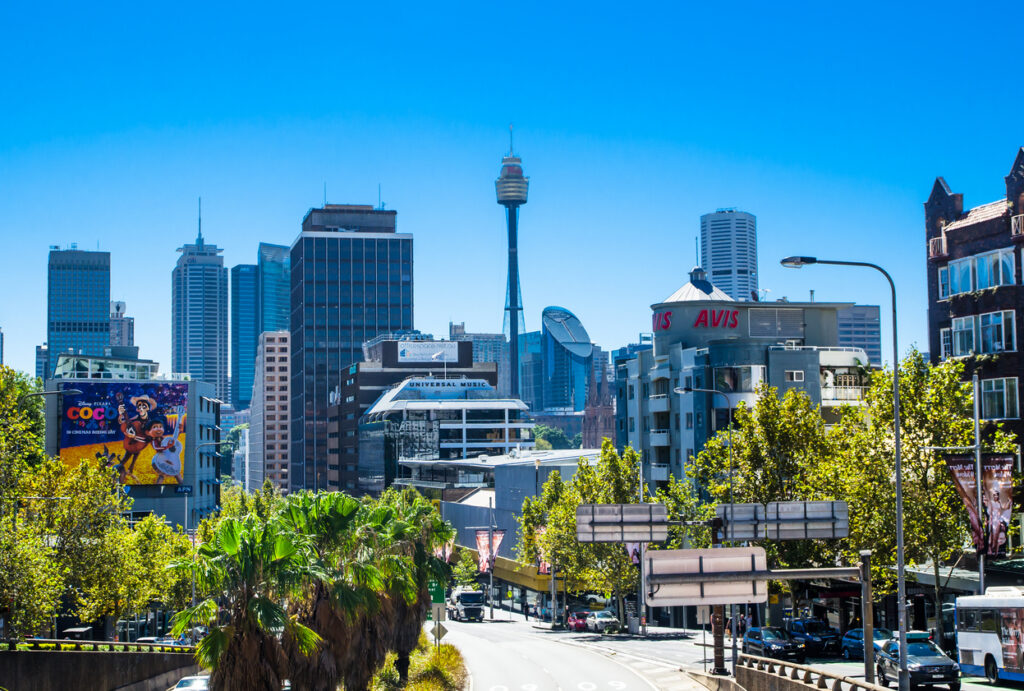
Gross dwelling yields remain relatively low at 3.3%, reflecting Sydney’s high capital values. For investors, this means acquisition price and asset quality remain critical. Sydney is rarely a market purchased purely for yield; its attraction has traditionally been scarcity, depth of demand and long-term capital appreciation.
The Rose & Jones View
We believe the Sydney market is entering one of its more interesting buying periods in recent years. We aren’t suggesting buyers attempt to pick the precise bottom of the market. Further weakness is entirely possible. Cotality expects downward pressure to continue as elevated mortgage rates, affordability constraints, negative real wage growth and weaker sentiment suppress demand.
But waiting for perfect certainty carries its own risk. The same conditions causing buyers to hesitate are creating negotiating opportunities that disappear quickly when sentiment improves. Sydney remains constrained by insufficient new housing supply, while relatively low unemployment and first-home buyer support should help limit the severity of the correction. For buyers with secure finance, a long-term horizon and the ability to distinguish a genuinely scarce asset from an average one, 2026 is increasingly becoming a market in which patience, due diligence and negotiation can be rewarded.
At Rose & Jones, our focus isn’t on buying simply because prices have fallen. It’s using the correction to buy the properties we wanted to own anyway, only on better terms. If you’re considering your next move in the current market, speak with Byron Rose at Rose & Jones for expert guidance tailored to your buying or investment goals.
Byron Rose
Director, Licensee-in-Charge & Buyers Agent, Rose & Jones
*Source: CoreLogic Home Value Index, September 2026